IELTS Paper vs Computer: Which Should You Choose? (2025 Guide)
Paper or computer IELTS? This guide gives you a real decision framework based on typing speed, reading habits, and editing style — not "it depends on preference."
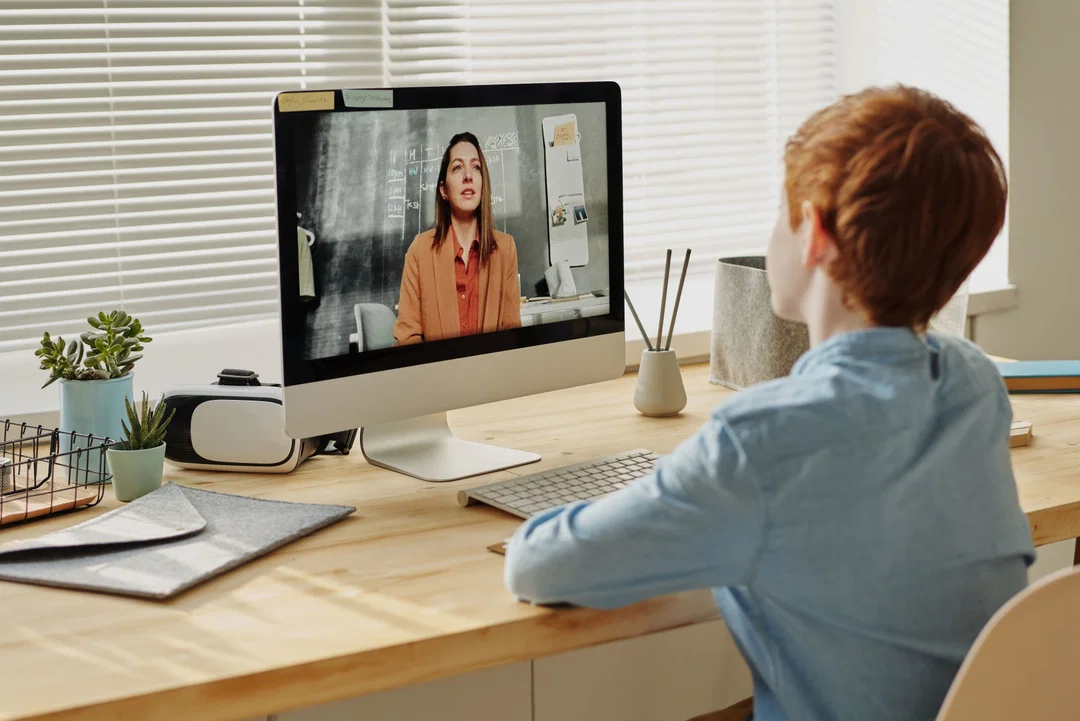
Last month, a student asked us which IELTS format she should take. She'd heard the IELTS computer based test was "easier" because you get results faster. Her friend said paper was "safer" because you can write notes on the question booklet.
Neither reason made sense for her situation.
She types 25 words per minute. She reads faster on paper than on screens. She needs her score in three weeks.
The answer was obvious once we looked at her actual skills — not what the internet said about "preference."
That's what this guide does. We're going to match the test format to your skills, not your feelings about technology.
The Real Differences (Not What You've Heard)
Most comparison guides list the same surface-level facts: computer results come in 3-5 days, paper results take 13 days. Computer tests happen more frequently. The Speaking test is the same for both.
True. But none of that helps you score higher.
Here's what actually changes your performance:
| Factor | Paper | Computer |
|---|---|---|
| Listening transfer time | 10 minutes to copy answers | 2 minutes to check |
| Reading layout | Flip between pages | Split screen (text left, questions right) |
| Writing method | Handwriting | Typing |
| Writing editing | Cross out, rewrite | Copy, paste, delete |
| Word count | Count manually | Automatic counter |
| Test environment | Large room, many test-takers | Smaller room, individual stations |
| Noise | Paper rustling, pencils | Keyboard clicking (yours and others) |
The format that scores you higher depends on three things: your typing speed, your reading habits, and your editing style.
Listening: The 10-Minute vs 2-Minute Problem
On paper IELTS, you write answers in your question booklet during the audio. At the end, you get 10 extra minutes to transfer those answers to the official answer sheet.
Those 10 minutes aren't just for copying. Students use them to:
- Check spelling on tricky words
- Review answers they weren't sure about
- Find answers from notes they scribbled during the recording
On computer IELTS, you type directly into the answer boxes while listening. At the end, you get 2 minutes. That's only enough to scan for obvious typos.
The question: Can you type and listen at the same time?
If you're used to taking notes on a laptop during lectures or meetings, computer works fine. If you've always written by hand while listening, the split attention might cost you answers.
Our recommendation: Take a practice test in each format. Notice where your attention goes. If you catch yourself missing audio because you're focused on finding the right box to type in, paper is safer.
Link to official IDP familiarisation tests — practice both formats free.
Reading: Split Screen vs Page Flipping
This is where computer IELTS has a genuine advantage — if you use it correctly.
On paper, you flip back and forth between the passage and the questions. With 40 questions across three passages in 60 minutes, that's a lot of page turning. Students lose time finding their place.
On computer, the screen splits: passage on the left, questions on the right. Each side scrolls independently. You can keep a paragraph visible while answering questions about it.
The catch: Reading on screens is slower for most people.
Research consistently shows that people read 20-30% slower on screens than on paper. If you're not used to reading long texts digitally, the split-screen advantage disappears.
Our recommendation: Before booking, read a 700-word article on your computer. Time yourself. Then read a similar article on paper. If paper is significantly faster, book paper. The page-flipping cost is smaller than the reading-speed cost.
Related: If you struggle with long reading passages because of unfamiliar vocabulary, our post on how word maps help you keep moving when a word blurs applies to IELTS Reading too. The strategy transfers across tests.
Writing: The Typing Speed Threshold
This is the clearest decision point — and where computer based IELTS writing has the biggest potential advantage (or disadvantage).
On paper IELTS, you handwrite both tasks. Task 1 requires at least 150 words. Task 2 requires at least 250 words. You have 60 minutes total.
On computer IELTS, you type both tasks. The interface shows your word count in real time.
The threshold: 40 words per minute.
If you type faster than 40 WPM, computer IELTS gives you more time to think. You finish the mechanical act of writing faster, leaving more time for planning and checking.
If you type slower than 40 WPM, handwriting is probably faster for you — and definitely more familiar.
Check your speed:
Typing Speed Test
1 minuteType the text below as quickly and accurately as you can.
The timer starts when you begin typing.
Note your WPM and accuracy. If you're above 40 WPM, computer IELTS gives you an advantage in Writing.
The editing advantage: Computer lets you copy, paste, and delete. If you tend to reorganize paragraphs after drafting, this matters. On paper, reorganizing means crossing out and rewriting — messy and time-consuming.
If you write linearly (introduction → body → conclusion, no major changes), the editing tools don't help much.
The Cognitive Load Factor
Here's something the official guides don't mention: the two formats create different kinds of mental pressure.
On paper, the pressure is physical. Your hand gets tired. Your handwriting deteriorates. You worry about legibility.
On computer, the pressure is attentional. You're managing multiple windows in your mind. You hear other people typing. You see a timer on screen constantly.
Neither is "easier." They're different.
If you've taken standardized tests on paper your whole life (school exams, university tests), paper IELTS feels familiar. That familiarity reduces anxiety.
If you work on computers daily and feel awkward with a pen, computer IELTS removes a layer of friction.
Related: Test anxiety affects both formats. If you freeze under pressure, our guide on why you freeze on speaking tests and how to fix it covers techniques that work across all test types.
One Skill Retake: The Safety Net
This is a major advantage of the IELTS computer based test that most guides underplay.
If you take IELTS on computer and miss your target in just one section, you can retake only that section within 60 days. No need to sit through the entire test again.
When this matters:
- You scored 6.5 in Writing but need 7.0 for your university
- Your Listening, Reading, and Speaking already meet requirements
- You don't want to risk scoring lower on sections you already passed
- You're short on time and can't prepare for all four sections again
How it works:
- Take the full IELTS on computer
- Get your results (3-5 days)
- If one section is below target, book a One Skill Retake
- Your new score replaces the old one for that section
- You receive an updated Test Report Form
The strategic angle: If you're borderline in one skill — especially Writing, where scores fluctuate most — computer IELTS gives you insurance. You're not gambling your entire score on one bad day.
Paper IELTS now offers One Skill Retake in some locations, but availability is limited and varies by test centre. Computer IELTS has it everywhere.
Check British Council booking for One Skill Retake availability at your location.
Results Timeline: When It Actually Matters
Computer results arrive in 3-5 days. Paper results take 13 days.
This only matters if:
- Your university application deadline is less than two weeks away
- You need to retake quickly if your score is too low
- You're applying for a visa with a tight timeline
If none of those apply, the 10-day difference is irrelevant to your decision.
The Decision Framework
Answer these three questions:
1. What's your typing speed?
- Above 40 WPM → Computer has an advantage for Writing
- Below 40 WPM → Paper is likely faster
2. Where do you read better?
- Comfortable reading long texts on screens → Computer helps in Reading
- Faster/more focused on paper → Paper is safer
3. Can you type while listening?
- Yes (you take notes on laptop naturally) → Computer works for Listening
- No (you've always written by hand) → Paper gives you 10 minutes buffer
If all three point the same direction: Book that format.
If they're mixed: Prioritize Writing. That's where format choice has the biggest score impact. A student who types 60 WPM will produce better Writing on computer. A student who types 25 WPM will struggle to finish.
Before You Book
Practice in your chosen format. Don't just read about the differences — experience them.
- British Council free familiarisation test — Full computer-based practice
- IDP practice tests — Both formats available
Take at least one full timed section in the format you plan to book. Notice what feels natural and what feels awkward.
What to Do Now
- Use the typing test above to check your speed — takes 1 minute
- Try reading a long article on your computer vs paper — notice the difference
- Take a free practice section in each format
- Book the format that matches your skills
If you're preparing for IELTS and want to identify which skills need the most work before test day, try our diagnostic — it shows you exactly where to focus your preparation time.
Preparing on your own? Here is how to structure IELTS preparation at home so six weeks of self-study actually compounds.
Ready to make real progress in English?
Structured courses built around how you actually learn — diagnostic-first, taught by a certified examiner.
Explore the courses →Frequently asked
Is computer IELTS easier than paper IELTS?
No. The content, question types, and scoring are identical. The difficulty depends on your personal skills — typing speed, screen reading comfort, and attention management. Some students score higher on computer; others score higher on paper.
Do I get headphones on computer IELTS?
Yes. Every test-taker gets individual headphones with volume control. On paper IELTS, everyone listens through room speakers. If you are easily distracted by ambient noise, computer headphones help.
Can I make notes on computer IELTS?
Yes. You receive paper and a pencil for notes during all sections. You just cannot write your final answers on paper — those go on screen.
Which format has more test dates?
Computer IELTS runs multiple times per day, seven days per week in most locations. Paper IELTS runs on fixed dates, roughly 4 times per month. If you need flexibility in scheduling, computer offers more options.
Is the Speaking test different?
No. Speaking is face-to-face with an examiner for both formats. It is never done on a computer.
Keep reading
What Your IELTS Score Doesn't Measure
Maria scored 7.5 on every mock test, then got 5.5 on the real IELTS. Her English didn't change—her brain did. Learn why this happens and how to fix it.

How to Prepare for IELTS at Home: The 6-Week Plan That Actually Works
A practical 6-week IELTS self-study plan covering all four sections. Includes daily routines, free resources, and honest advice about when self-study isn't enough.