5 Things You Can Do at Home to Help Your Child's English (Even If Yours Isn't Perfect)
You don''t need perfect English to help your child. You need 10 minutes a day and the right approach. Here are 5 things that actually work.
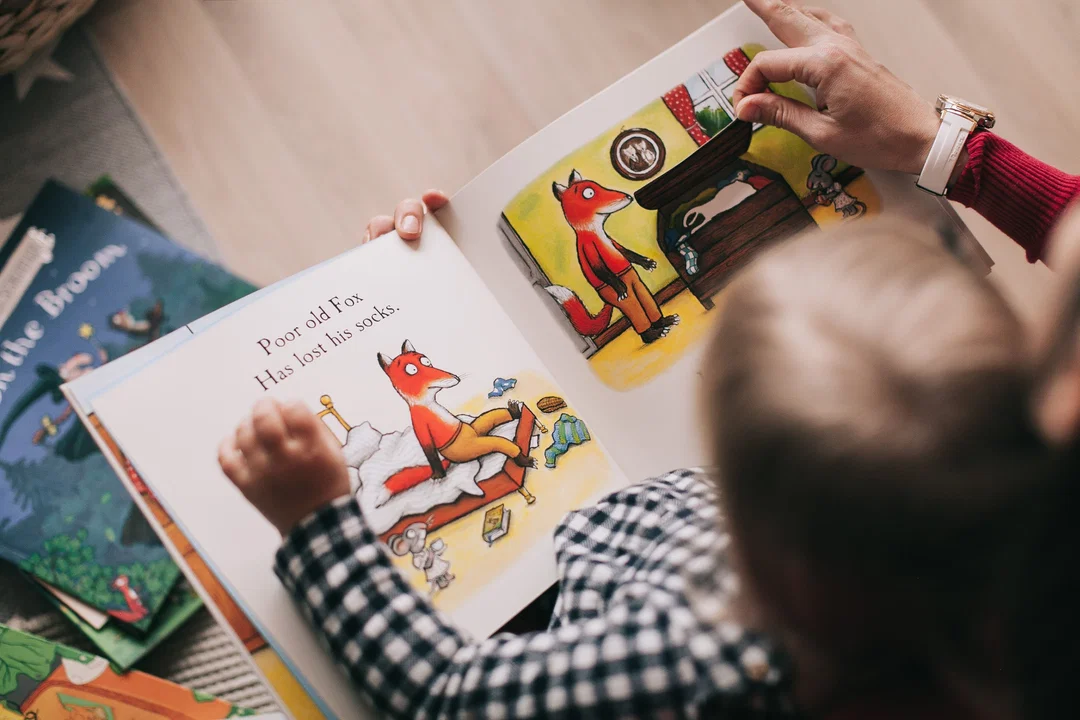
Parents tell us the same thing every week: "I want to help, but my English isn't good enough."
Here's the truth: your English doesn't matter nearly as much as you think. What matters is how you interact with your child around English. The parents who make the biggest difference aren't the ones with perfect pronunciation — they're the ones who show up for 10 minutes a day with the right approach.
You don't need to teach. You need to create the space where English feels normal.
1. Echo, Don't Correct
This is the single most important thing you can do.
When your child says something wrong — "I goed to the park" — don't say "No, it's went." Instead, say: "Oh, you went to the park? What did you do there?"
You've just given them the correct version inside a real response. They hear it. They absorb it. And they keep talking instead of shutting down.
Correction kills conversation. Echoing builds it.
Try this today: Next time your child says something in English, respond to the meaning, not the grammar. Keep the conversation going. That's more valuable than any correction.
2. Picture Talk (2 Minutes a Day)
Find any picture — a photo on your phone, a magazine, a book illustration. Look at it together for two minutes and talk about what you see.
Start simple: "What do you see?" Then push gently: "Why do you think she looks happy?" or "What do you think happened before this?"
That's it. Two minutes. It's simple English speaking practice for kids — training three skills at once: vocabulary, sentence building, and the ability to describe and explain — which is exactly what school and tests require.
Start easy: If your child can only say "I see a dog," that's fine. Next week it'll be "I see a brown dog running." The growth happens through repetition, not pressure.
3. Create an "English Zone"
The best English routines for kids are small and predictable. Pick one moment each day that's always in English. Dinner conversation. Bedtime story. The walk to school. Five minutes in the car.
It doesn't matter which moment. What matters is that it's predictable. Your child knows: "this is when we do English." It stops feeling like a surprise test and starts feeling like a normal part of the day.
Keep it light. The English zone isn't a lesson. It's a space. If your child switches to their first language, gently switch back — but don't make it a battle. Consistency matters more than perfection.
4. Read Together (Even If You Read Differently)
English reading practice for kids doesn't mean you need to read perfectly.
Echo reading: Listen to an audiobook or a teacher recording. Then read the same line together, copying the rhythm. Your child hears the correct version, then practices it with you as support. Your accent doesn't matter — the rhythm does.
Take turns: You read a line, they read a line. If they stumble, you read it again and they copy. No stopping to explain every word. Keep the flow going.
After reading: Ask one question. Not "what does this word mean?" but "what was that about?" or "what do you think happens next?" You're building understanding, not testing vocabulary.
10 minutes before bed is enough. Do this every day and you'll see a shift within weeks — not just in English, but in their confidence around reading anything.
5. Stop Translating, Start Pointing
When your child asks "what does ___ mean?" — resist the urge to translate into your first language.
Instead: explain it in simple English ("it means very tired"), give an example ("like when you come home after football"), or act it out.
Translation creates a shortcut your child's brain will rely on forever. Explaining in English — even badly — forces their brain to process meaning in English. That's the difference between a child who translates in their head before speaking and a child who just speaks.
This is hard for parents. Especially when your own English isn't confident. But even a rough explanation in English does more than a perfect translation.
The Pattern Behind All Five
Notice what all of these have in common: none of them are lessons. None require textbooks. None require perfect English from you.
They're all about creating moments where English is used naturally. That's how children learn English at home — not through rules and worksheets, but through regular, low-pressure use with someone who cares about them.
You don't need to be a teacher. You just need to be present, consistent, and willing to keep it short.
Start with one. Pick whichever feels easiest. Do it for a week. Then add a second.
Book a diagnostic lesson → — we'll show you exactly which stage your child is at and which of these routines will help most.
Related Reading
Ready to make real progress in English?
Structured courses built around how you actually learn — diagnostic-first, taught by a certified examiner.
Explore the courses →Frequently asked
How can I help my child learn English if my own English isn't good?
You don't need perfect English. The most effective strategies — echo correction, picture talk, reading together, and creating an English zone — work regardless of your proficiency level. Consistency and engagement matter more than accuracy.
What is echo correction in language learning?
Instead of correcting your child's mistakes directly, you repeat what they said using the correct form within a natural response. For example, if they say 'I goed to the park,' you reply 'Oh, you went to the park? What did you do there?' They hear the correction without being shamed.
How many minutes a day should my child practise English?
Ten minutes of focused daily practice is more effective than longer weekend sessions. Short, consistent exposure builds confidence and helps English feel like a normal part of daily life rather than a chore.
Should I translate English words for my child?
Avoid translating when possible. Instead, explain the word in simple English, give an example, or act it out. This forces your child's brain to process meaning in English rather than building a translation habit that slows fluency.
What is picture talk and how does it help?
Picture talk is a two-minute exercise where you and your child look at any image and describe what you see. It builds vocabulary, sentence construction, and the ability to describe and explain — skills that are essential for school and language tests.
Keep reading

How Your Child Actually Learns English (The 3 Stages Most Schools Skip)
That pause between understanding and speaking? It''s not a problem. It''s a stage. Here are the three stages every child moves through — and what to do at each one.

How Second Language Learning Really Works: A Guide for Families
Your child understands English but can''t use it. That''s not failure — it''s a stage. Here''s how language learning actually works and what you can do about it.